A Short History of Streetwear in Nigeria

Nigerian streetwear did not start with a single brand or a single year. It grew out of music scenes, skate crews, small stores and one big annual fair, mostly in Lagos and mostly over the last fifteen years. This is a short version of that story. We have kept to facts that are on public record, and where sources disagree on a date, we say so.
Before "streetwear": an early label and an alternative scene
One of the earliest names still trading is N.A.C.K (Nigerian Articulate Culture Kullection). According to its Lagos Fashion Week profile, it was founded in 2006 as the first brand of the Luto Tailo group, making Afrocentric casualwear for men, women and children.
The bigger influence, though, came from music. In a 2023 piece for The NATIVE, Makua Adimora traces the first wave of what became known as alté to roughly 2009 to 2014. Artists such as DRB LasGidi, L.O.S, Ajebutter22 and Show Dem Camp passed music around through house parties, BlackBerry Messenger and Bluetooth. The word "alté" (short for alternative) caught on around a second wave in 2016, led by artists including Odunsi (The Engine), Santi (now Cruel Santino), Lady Donli and Amaarae, many of them building audiences on SoundCloud.
Alté was never only a sound. It spread into fashion, film and photography, and the looks its artists wore ignored the polished, flashy style of mainstream music videos. Adimora notes that mainstream acts such as Ayra Starr, Asake, Fireboy DML and Adekunle Gold have since borrowed its video styling and fashion. That link between music and clothing still drives Nigerian streetwear. For example, the white polo that made Lagos label Bolapsd known was the one Rema wore in his "Fun" video.
2011 to 2012: the institutions arrive
Two foundations were laid around the same time. Lagos Fashion Week was founded in 2011 by Omoyemi Akerele, with its Fashion Focus programme for young designers starting the same year. For most of its history it was a designer event rather than a streetwear one, which matters later.
In 2012, brothers Jomi and Nifemi Marcus-Bello and KC Obijiaku founded WAFFLESNCREAM, now known as WAF. It started as Nigeria's first skate crew and grew into a skate shop and clothing label. You will see other years quoted for when its shop opened, but Nataal, Highsnobiety and Hypebae all give 2012 as the founding year. Severe Nature was also founded in Lagos in 2012, by school friends Christopher Afolabi, Tobi Adeleye and the late Michael Atobalele.
The same period produced Vivendii, whose founders Jimmy Ayeni, Ola Badiru and Anthony Oye started out as bloggers in 2011 and were later known for bridging streetwear and high fashion.
The skate thread
Skateboarding gave Nigerian streetwear a scene of its own, not just a style borrowed from abroad. Motherlan, a group of Lagos skateboarders including Slawn, Leo and Onyedi, turned their crew into a clothing label. Culted gives 2018 as the founding year, though other sources date it a year or two earlier. The crew later moved to London.
In 2019, WAF and Dutch label Patta released a capsule collection to help build a skatepark in Lagos. It took until March 2024 for WAF's skatepark to open at Freedom Park on Lagos Island, which Nataal described as Nigeria's first Olympic-standard park. Around the same time, in spring 2024, Patta opened a flagship store in Lekki.
2015 to 2018: a wave of labels
The middle of the decade brought many of the brands people now name first. David Blackmoore launched in Lagos in 2015 with back-print graphic tees. Pith Africa, a dual-sex label started by three university friends, began operating in 2017 according to OkayAfrica, though Nataal gives 2016. It became known for upcycled denim and short films about Lagos subcultures. Wear Thirsty began as Shopstraffitti in 2016, and Ashluxe followed in 2018 with a more luxury-leaning take.
2018: Street Souk
The turning point for many smaller brands was Street Souk, founded in Lagos in 2018 by Iretidayo "Ireti" Zaccheaus. It is often dated to 2017, but Dazed and Nataal both say 2018, and the 2017 date seems to come from a sponsor's own timeline. Street Souk mixes pop-up stores, skate ramps and DJ sets. By its fifth-anniversary edition in December 2022, Nataal reported it was bringing together more than 100 brands. Dazed's coverage of that edition named WAF, Vivendii, Motherlan and Mowalola alongside newer labels such as WWYD and Pièce et Patch.
Street Souk also connected Lagos to the wider streetwear world. Highsnobiety reports that in 2020 Zaccheaus worked with the late Virgil Abloh on a limited "Support Nigerian Women" shirt, and that the event has expanded to Ghana and London.
2025 and 2026: the runway and the global brands
For years, streetwear sat at the edge of Lagos Fashion Week. That began to change at the 2025 edition (29 October to 2 November), when Street Souk brought a group of streetwear designers to the runway, seven according to Lagos Metropolitan. Not everyone saw it as a full win. Writing in Deeds Magazine, Alaya Oluwakemi argued that the event's high-fashion model and participation costs still keep out most youth-led, self-funded streetwear labels.
Meanwhile, the biggest global names started working with Nigerian brands directly. In 2026, WAF's take on the adidas Superstar ADV became adidas's first collaboration with a Nigerian brand. It launched at adidas's Lagos flagship in Lekki before a worldwide release.
What the history leaves out: Ibadan
Nearly every fact above happened in Lagos. That reflects where the stores, events and press have been, and Lagos earned it. It also means that streetwear made in other Nigerian cities has hardly been written about yet.
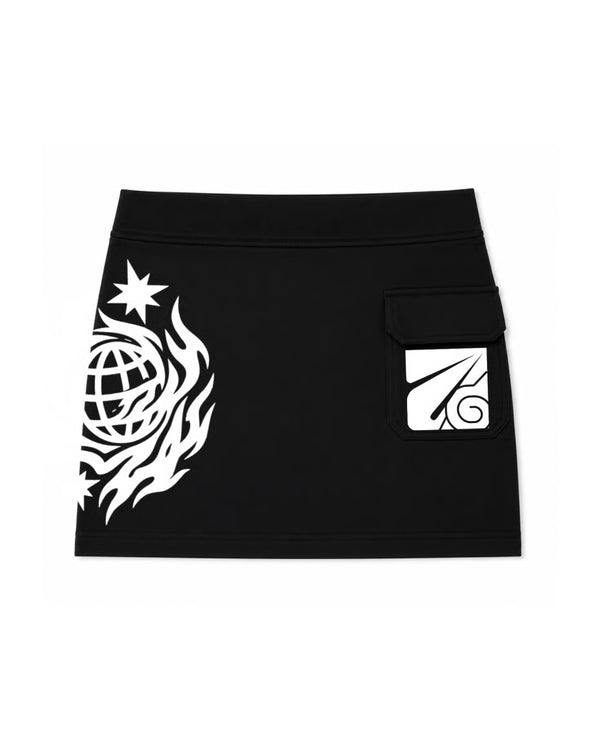
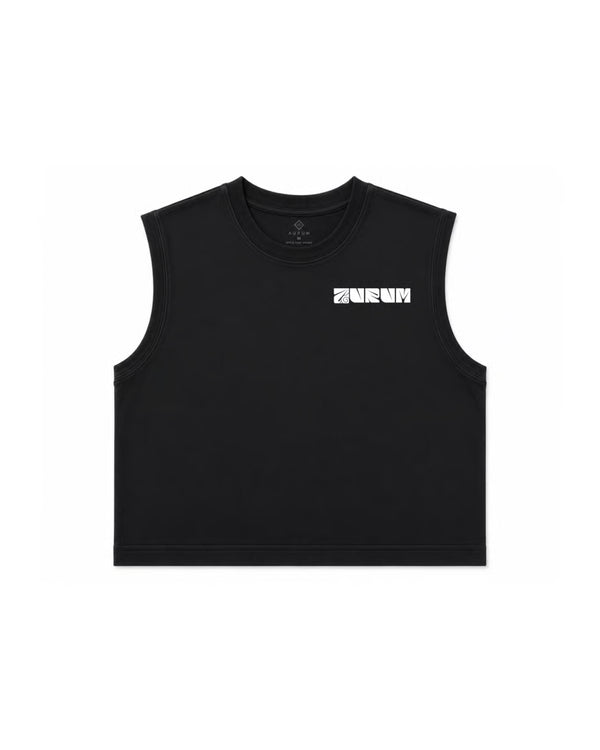
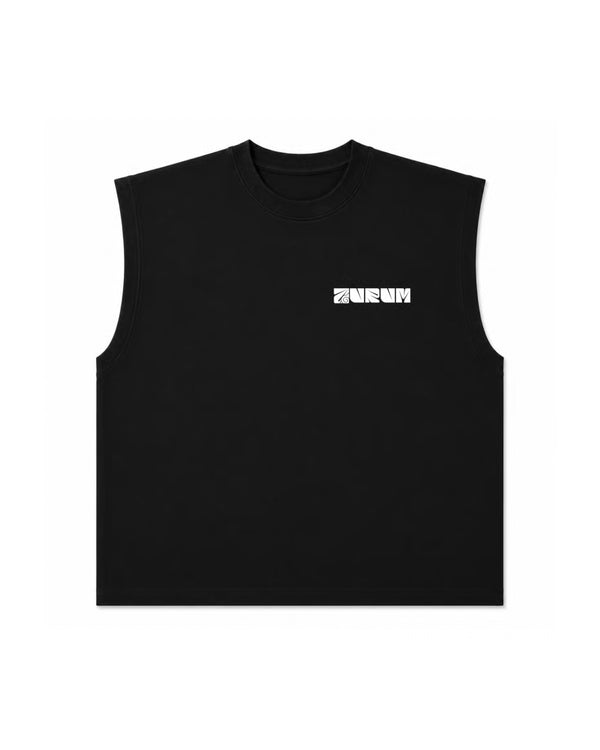
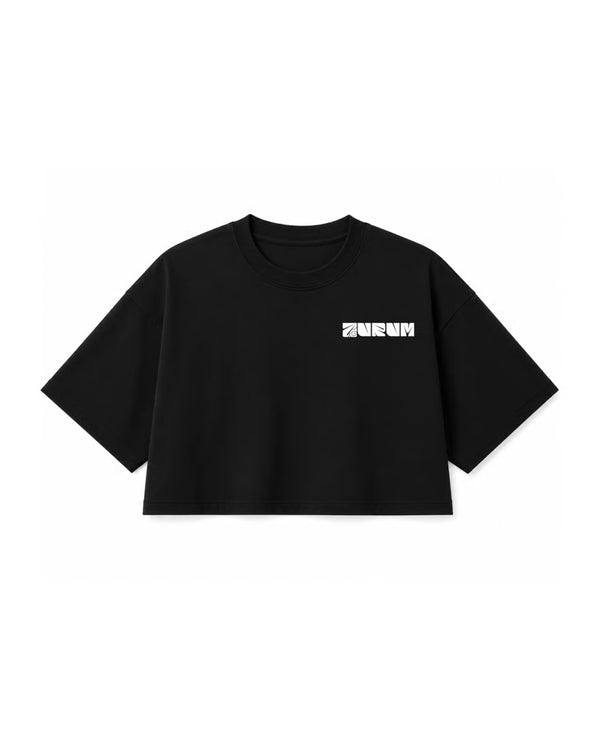
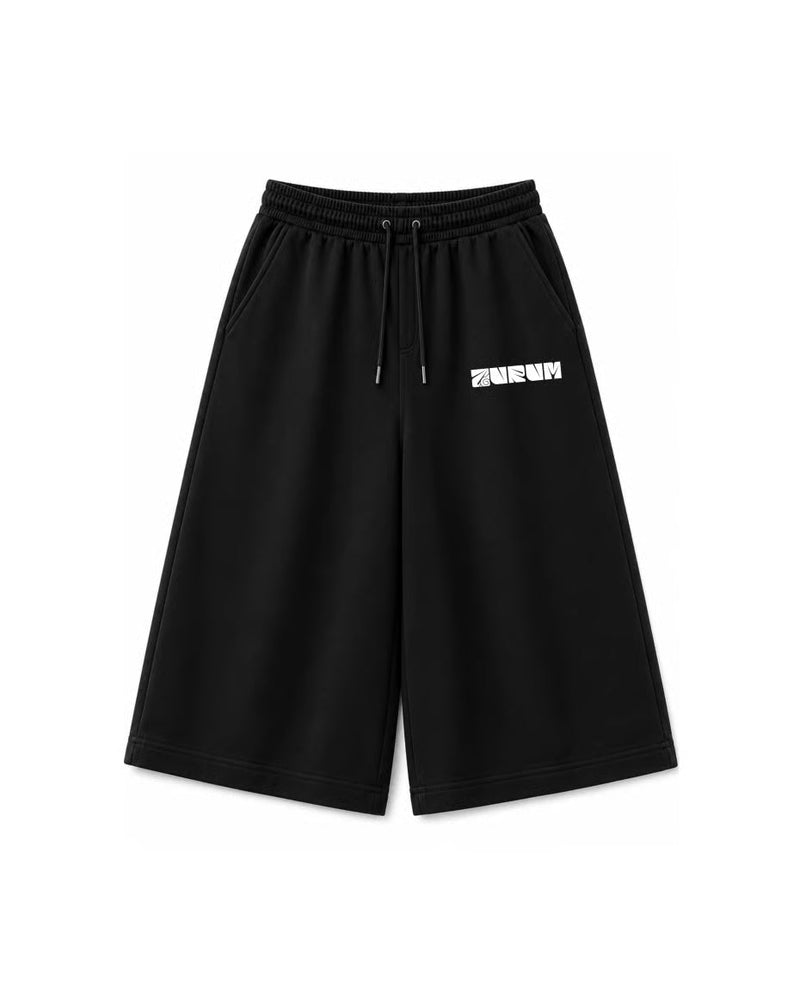
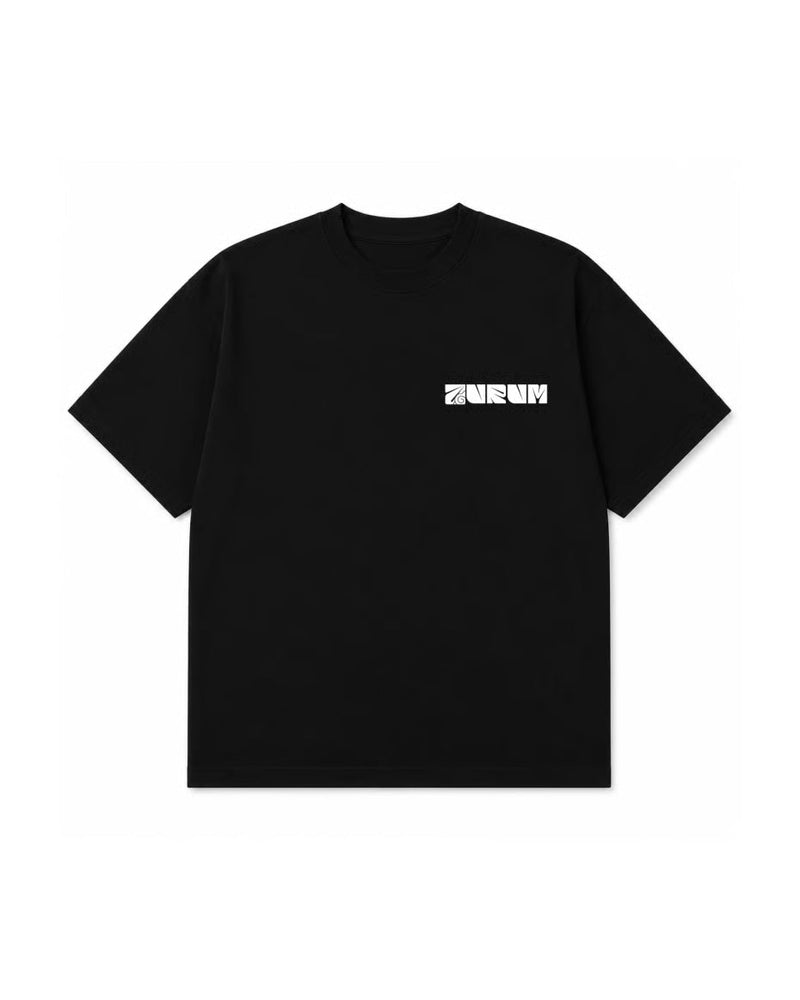
Aurum Styles is one small part of that gap. We are a streetwear brand based in Ibadan, making boxy tees, baggy jorts and joggers, and tanks in limited drops. Our first big drop, ROOT, was shot in our own city, inside Adebisi Mansion and up at Bower's Tower, the hilltop landmark that looks out over Ibadan. We are not part of the history above, and we won't pretend otherwise. We are a newer brand trying to show that Nigerian streetwear can come from more than one city.
ROOT is back in limited numbers, 40 pieces per style. You can read the story behind the drop, watch the campaign on our films page, shop the ROOT collection, or see everything we make. To see which brands are leading right now, read our list of the best Nigerian streetwear brands in 2026.