How to Stop Prints Fading, Cracking or Peeling
Every print type wears out differently, from DTG and screen print to vinyl, puff and embroidery. Here is how to tell which one you have and how to wash, dry and iron it so it lasts.

Updated October 2026
The print is often the reason you bought the piece. Then a few washes later it looks tired, the edges are lifting or there are cracks across the chest. Usually the print did not fail on its own; it was washed, dried or ironed in a way that print type cannot take. This guide covers the common streetwear prints, how to tell which one you have, and how to keep each looking right on hoodies, sweatshirts, joggers, jorts, tanks, skirts, caps and tote bags.
Why prints fade, crack and peel
- Heat. Hot water, a hot tumble dryer and an iron pressed straight on the design are the biggest enemies. Printful warns that high dryer heat can dry out ink and make it crack, and raised or plastic-feel prints can soften or melt.
- Friction. Other clothes, zips, the machine drum and scrubbing brushes wear a print away bit by bit.
- Harsh chemicals. Bleach, strong detergents and stain removers attack ink and dye. Fabric softener is a quiet one: Polyprint, a DTG printer maker, notes that softener often causes prints to peel, and Siser advises against liquid softener on heat-transfer vinyl.
- Stretching and folding. Hard wringing and sharp creases through a thick print make it split.
- Sun. Strong direct sunlight fades colour over time.
- Washing too soon. Some prints, especially vinyl and transfers, need time to fully bond before their first wash.
How to tell which print you have
Check the care label or product page first. If it says nothing, feel the design and look closely.
DTG (direct-to-garment)
Soft, almost no feel, and you can often see the fabric texture through the ink. The ink settles into the fibres, usually cotton. This is what Aurum uses: most of our pieces are 100% cotton and custom sewn, and our prints are DTG.
Screen print (plastisol)
A smooth, slightly rubbery layer on top of the fabric, usually in bold solid colours. Old ones crack into a fine web rather than fading evenly.
DTF (direct-to-film) transfer
A thin, flexible film on the surface, often with a slight sheen and crisp edges where the film ends.
Heat-transfer vinyl (HTV)
A smooth sheet of plastic pressed on, usually in flat colours, glitter or metallic. You can sometimes catch an edge with a fingernail.
Sublimation
No texture at all, because the dye becomes part of the fibre. Mostly on polyester, often as all-over prints on sportswear.
Puff print
A raised, spongy 3D design, popular on hoodies and sweatshirts.
Embroidery
Stitched thread, not ink, with stitches visible on the back. Common on caps and logos, like the one on our Sparta Gym Joggers.
The routine that works for almost every print
Printers disagree on small details, but on the basics they agree.
- Turn it inside out. The print faces away from friction.
- Use cold water. Printful's guidance for DTG, embroidered and sublimated pieces is 30°C or below, and cold from the tap is fine.
- Use a mild soap or detergent. No bleach, no strong stain remover on the print, and skip fabric softener.
- Wash with similar colours. Keep prints away from metal buttons and open zips.
- Air dry in the shade. No hot tumble dryer.
- Never iron directly on the print.
Washing by hand: the bucket method
Hand washing is the gentlest option, and many of us already wash this way.
- Fill a bucket or basin with cool water and dissolve a little mild soap. A gentle bar soap such as Key soap works well; rub it into the water or onto the inside of the garment rather than scrubbing the bar across the print.
- Press and squeeze the fabric gently. Rub dirty areas like collars, cuffs and waistbands, and leave the printed area alone.
- No brush on the print, and do not scrub the design against itself.
- Rinse until no soap is left; residue can dull a print.
- Squeeze out water by rolling the piece in a towel instead of twisting it hard, especially heavy hoodies.
Washing by machine
- Choose the gentle, delicate or hand-wash cycle, cold water and a lower spin. Printful suggests around 600 rpm for DTG and sublimation and keeping embroidery spins moderate.
- Zip up zips and close any velcro on other clothes in the load.
- Do not overfill the drum.
- Use a mesh laundry bag for small or embroidered pieces.
Drying in strong Nigerian sun
Air drying is best for every print type, but the midday sun here is strong enough to fade colour if you leave clothes out for hours. Hang printed pieces inside out in the shade or indoors with good airflow. Hang hoodies by the body, not the hood, and bring everything in once dry.
Ironing without ruining the print
- Turn the piece inside out and iron the back of the fabric.
- Use a low to medium setting suitable for the fabric, and no steam on embroidery.
- If you must go near the front, lay a clean cotton cloth or baking paper over the design first.
- Never iron puff print, vinyl or transfers directly. They can soften, stick to the iron or flatten.
How care differs by print type
DTG
Treat the fabric gently and the print lasts with it. We go deeper in our guide on how to wash DTG printed shirts, and the same steps apply to DTG hoodies, joggers, jorts, tanks, skirts and totes.
Screen print
Very durable, but heat is the risk: an iron on the ink can re-melt it.
DTF transfers and HTV
Wait before the first wash: Siser asks for 24 hours on its vinyl, and some DTF suppliers suggest up to 48. Wash inside out and cold, and skip softener, which can weaken the glue.
Sublimation
The print cannot crack or peel, but it can fade. Avoid bleach completely, wash cold, and keep it out of hot sun and high heat.
Puff print
Protect the height. Wash inside out, air dry, and never iron the front.
Embroidery
Keep it away from zips and velcro, do not wring it, and press it dry between towels. For caps, spot clean with a damp cloth and mild soap rather than soaking or machine washing, and let it dry on its shape.
Storage
Fold printed pieces with the design inward, without a sharp crease through a thick print. Fold heavy hoodies rather than leaving them on thin hangers. Store everything fully dry, away from direct sun.
If the print has already cracked or is peeling
- HTV lifting at the edges: Siser's advice is to re-press lifted areas with a cover sheet over the design. At home, use baking paper and a firm, dry iron on the setting the vinyl calls for.
- DTF peeling: a careful re-press under baking paper may help a lifted corner; torn film cannot be rebuilt.
- Cracked screen print: some printers suggest pressing it under baking paper with a dry iron to soften the ink so small cracks close up. Test briefly first.
- Faded DTG or sublimation: lost ink cannot be restored, so change the routine to stop it getting worse.
- Loose embroidery threads: snip them close; do not pull them.
Caring for your Aurum pieces
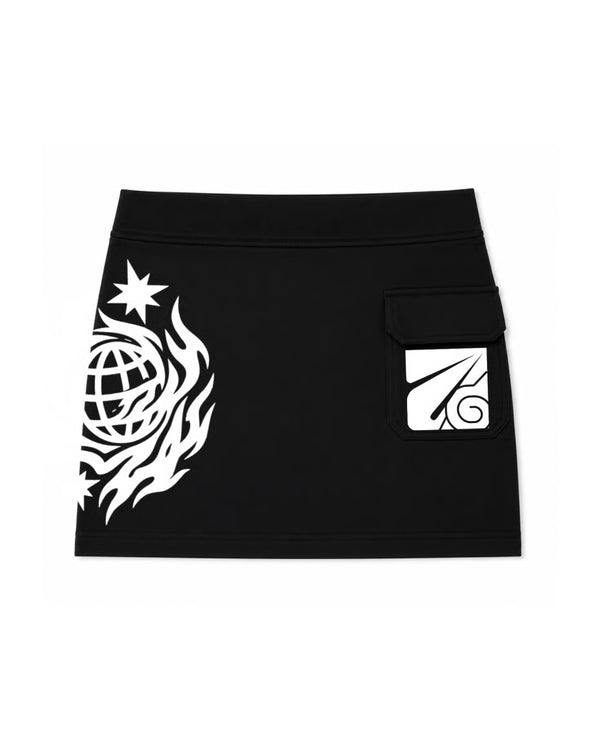
Everything in the ROOT drop and our joggers and shorts line follows one rule: cold water, inside out, mild soap, shade-dry and no iron on the print.
FAQ
Why is my shirt print peeling?
Usually it is vinyl or a transfer. Common causes are washing too soon after pressing, hot water or dryer heat, fabric softener, or a print not pressed firmly enough in the first place.
How do I stop a print from cracking?
Keep heat away from it. Wash cold, air dry, never iron the design directly, and avoid sharp creases or hard wringing through the print.
How do I wash a printed hoodie?
Turn it inside out, wash cold by hand or on a gentle cycle with mild soap, squeeze out water in a towel, and dry it flat or hung by the body in the shade.
Can I use Key soap on printed clothes?
Yes. A mild bar soap is gentle enough. Dissolve it in the water or work it into the inside of the garment instead of scrubbing the bar across the print.
Can I use bleach on a white printed piece?
No. Bleach damages most inks and destroys sublimation prints. Spot clean the fabric around the design instead.